You think skipping safety training or cutting corners on compliance saves money? Think again. Non-compliance is one of the fastest ways to bankrupt a small contracting business. The average cost of non-compliance problems now hits $14.82 million per organization: a 45% jump since 2011. For smaller contractors in oil, gas, construction, and industrial work, even a fraction of that cost can shut you down permanently.
Let's break down what non-compliance really costs and why investing in proper onsite safety training and certifications isn't just smart: it's essential for survival.
The Direct Hit: Fines and Penalties That Hurt
When regulators catch you breaking rules, they don't mess around. In 2017 alone, federal contractors paid a combined $23.9 million in OFCCP violation fines. Here's what you're looking at:
Safety Violations: OSHA doesn't play favorites. Wagner Construction got slammed with $1.8 million for repeat safety violations. Even smaller firms regularly face fines between $50,000-$300,000 for single incidents. Miss your MSHA refresher requirements? You could be looking at project shutdowns and hefty penalties.
Wage and Classification Issues: A New Orleans landscaping company paid $319,000 in back wages and penalties for misclassifying workers. Davis-Bacon Act violations can cost anywhere from thousands to millions, depending on the project size.
Pipeline and Energy Sector Violations: Skip your pipeline OQ training requirements? Energy companies face some of the steepest penalties in the industry. Pipeline incidents can trigger multi-million dollar fines plus cleanup costs.
The Hidden Killer: Business Disruption Costs
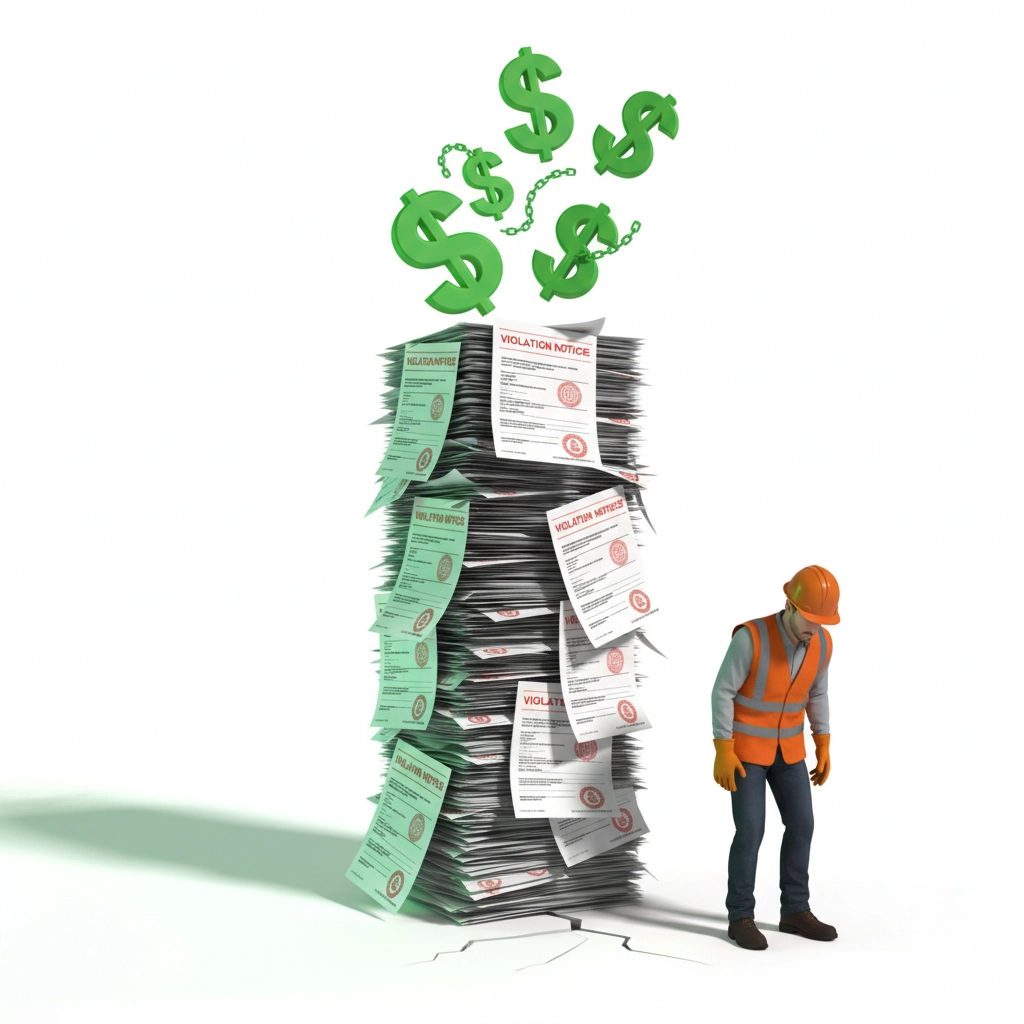
Here's the real kicker: the biggest financial hit isn't even the fines. It's the business disruption that follows. OFCCP audits average 720 days (nearly two years). That's two years of your key people pulled off profitable work to deal with investigators.
Your project managers should be managing projects, not digging through paperwork to prove compliance. Your safety coordinator should be training crews, not explaining why someone missed their online SafeLand training. Every hour spent on compliance issues after the fact is an hour not spent making money.
Small contractors with under 100 employees feel this pain the worst. You don't have the luxury of dedicated compliance staff. When regulators come knocking, your entire operation can grind to a halt.
Cash Flow Crisis: When Payments Stop
Non-compliance doesn't just cost money: it stops money from coming in. Government agencies and prime contractors routinely withhold payments until compliance issues are resolved.
An Illinois contractor lost an entire state highway contract mid-project due to fraud violations. All that equipment, all those workers, all that invested time: gone. The domino effect hits fast:
- Progress payments stop
- Equipment sits idle
- Workers move to other jobs
- Suppliers demand immediate payment
- Cash flow evaporates
Prime contractors are especially ruthless about this. They're liable for their subcontractors' compliance failures, so they'll cut you loose in a heartbeat if you become a liability.

Reputation Damage in the Digital Age
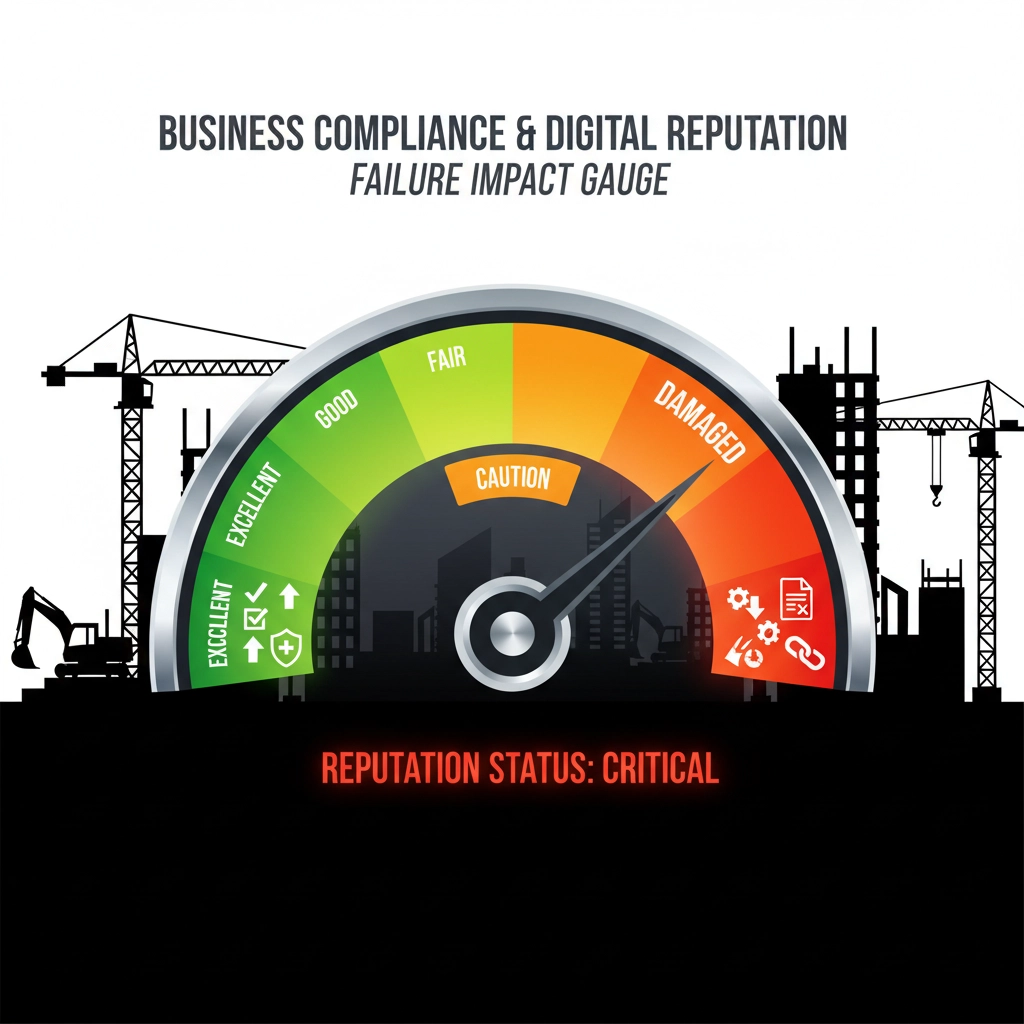
Bad news travels fast in the construction and energy sectors. Get tagged as a non-compliant contractor, and word spreads through the industry quickly. This isn't just about embarrassment: it's about future business.
Public records of violations follow you everywhere. When you bid on the next job, those records come up. Potential clients see your compliance history and choose someone else. Partners won't work with you. Insurance companies raise your rates or drop you entirely.
One compliance failure can haunt you for years. In industries where relationships and reputation matter, this damage can be harder to recover from than the actual fines.
The Investigation Nightmare
Once you're on regulators' radar, you stay there. They'll impose mandatory audits, extended oversight, and random inspections. Your leadership team spends more time in meeting rooms with investigators than on job sites with crews.
Legal fees pile up fast. Even if you eventually clear the violations, you're looking at months or years of legal costs. Executives may face personal liability. Some investigations trigger criminal proceedings.
Meanwhile, your competitors who invested in proper training and compliance from the start are winning the contracts you can't even bid on.
Workforce Chaos and Employee Problems
Non-compliance creates internal chaos that spreads through your entire organization. Projects halt while investigators validate controls. Staff morale plummets. Good employees start looking for more stable work.
When word gets out about compliance problems, recruiting becomes nearly impossible. Who wants to work for a company that might lose its contracts or face shutdowns? You end up with higher turnover, recruitment costs, and a damaged employer brand.
In worst-case scenarios, employees become whistleblowers, reporting additional violations to save themselves. This can trigger even more investigations and penalties.
The Real Numbers: 2.7 Times More Expensive
Research shows non-compliant contractors typically pay 2.7 times more than those maintaining solid compliance standards. Organizations with strong compliance programs realize approximately $10 million in benefits. For smaller contractors, this ratio still holds: you're looking at spending nearly three times more to fix problems than prevent them.
Consider this example: Proper online SafeLand training for a 20-person crew costs under $2,000. A single safety violation fine can easily hit $50,000-$300,000. Even basic pipeline OQ training costs a fraction of what you'll pay in penalties and lost contracts if someone gets hurt or damages equipment.
Smart Prevention: The Real Cost-Saver
The math is simple: compliance costs less than non-compliance. Here's how smart contractors protect themselves:
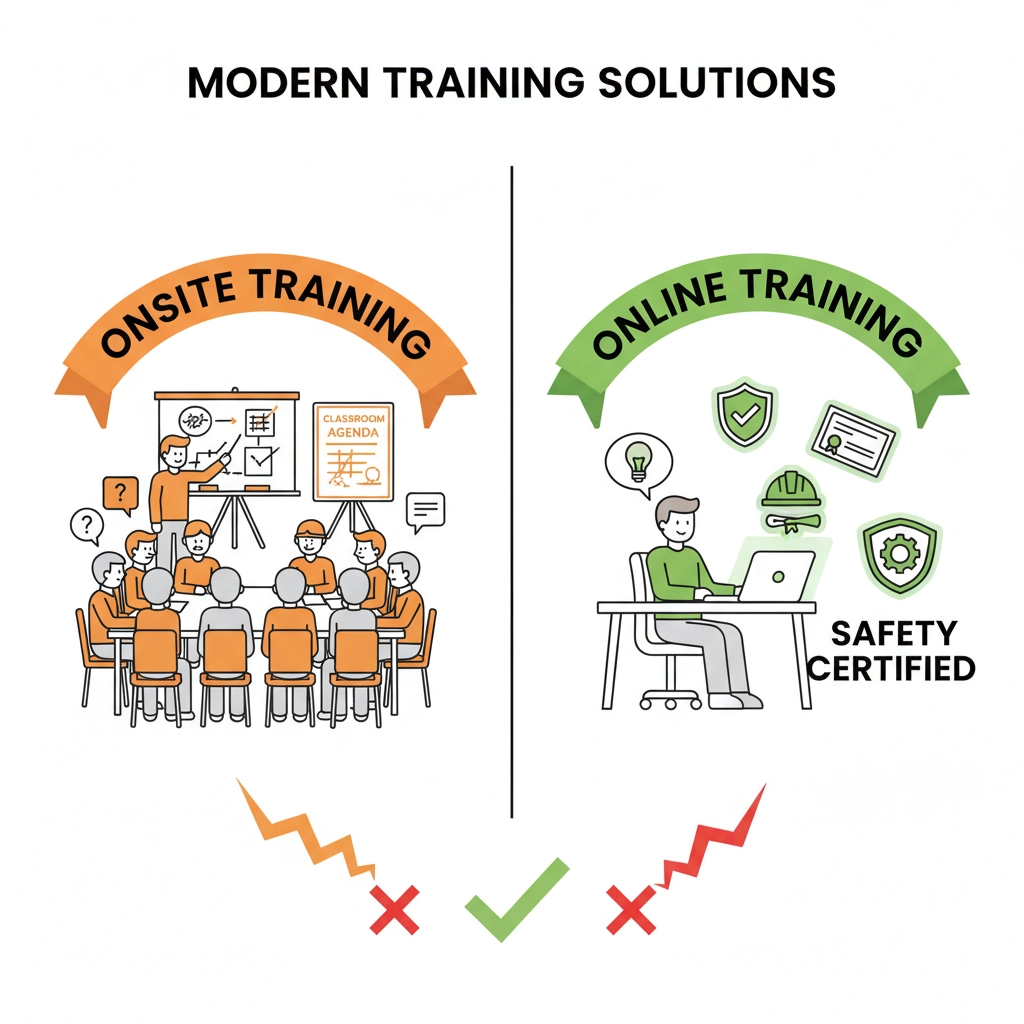
Invest in Proper Training: Onsite safety training and online SafeLand training aren't expenses: they're insurance policies. A properly trained crew prevents accidents, meets regulatory requirements, and keeps projects moving.
Stay Current on Certifications: MSHA refresher training and pipeline OQ training requirements change. Missing updates can trigger violations even if you've been compliant for years.
Document Everything: Proper record-keeping proves compliance and speeds up any investigations. Digital training records are especially valuable during audits.
Work with Compliance Experts: Professional training companies like Dare 2B Safe understand current requirements and can keep you compliant without the administrative headache.
The Bottom Line for Small Contractors
Non-compliance isn't a risk you can afford to take. A single violation can cost more than your annual safety training budget. Multiple violations can shut you down permanently.
The contractors thriving in today's market aren't the ones cutting corners on compliance. They're the ones who invested in proper training, maintained good records, and built reputations for safety and reliability.
Don't wait for a violation notice to get serious about compliance. The cost of prevention is always less than the cost of problems. Your business, your employees, and your future contracts depend on making the right choice now.
Ready to protect your business with proper compliance training? Contact our team to discuss your specific needs and get your crew properly certified before problems arise.